
According to The Harvard Crimson, microtrends are identified as “a short-lived fashion, aesthetic, or consumer behavior trend that gains rapid popularity on social media—often within weeks or months—before quickly vanishing.”
Microtrends are often fueled by algorithms and social media, specifically broadcast by influencers or celebrities. Some examples include clean girl, Y2K, cottagecore and more. Students are usually more susceptible to fast fashion, especially due to social media.
“I think that micro-trends definitely destroy individuality because everyone feels the need to fit in with the crowd. I also think that kids are pressured to fit in, but the trends change constantly, meaning some kids get stuck in one trend before they can follow another,” fashion teacher Ahren Wagner said.
Microtrends fall through easily due to consumer fatigue as well as overpopularity, creating an uninteresting identity or look. Some people see this look as “cringe,” especially when a commonly seen trend is identified as a “normal” appearance.
In addition to microtrends, it comes with required consistency to stay online and up-to-date with styles changing so often. Influencers follow a temporary appearance to gain engagement and create something people want to relate to.
Microtrends impact individuality substantially by replacing personal preferences and styles with fast-changing ones that often prioritize fame rather than self-expression. The negative impacts of microtrends include overconsumption, fast fashion and a lack of individuality.
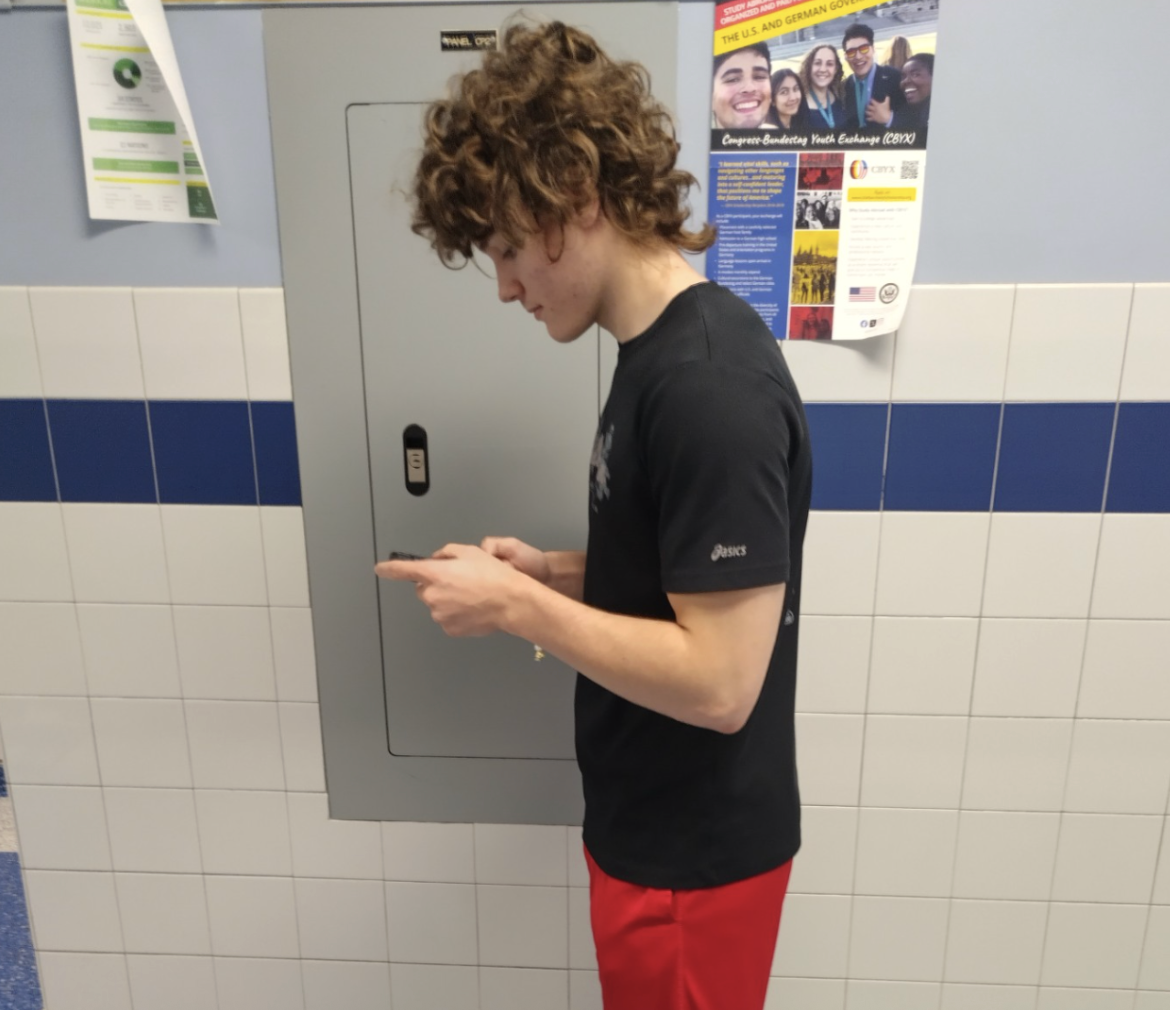
“I would say that it is changing form, as some people tend to wear very similar things, usually a T-shirt and sweatpants or shorts, but others tend to have much more individuality, such as some people wear boots, or use a handbag instead of a backpack,” Rayden Menz (10) said.
According to Dictionary.com, overconsumption is identified as “the excessive, unsustainable use of resources, goods, or services, where consumption rates exceed replenishment capabilities or basic needs.”
What most people overlook is the negative impact this has on the environment. Toxic pollutants are seen in fast fashion. Most commonly seen by the popular brand Shein, which provides people with the option of cheap, low-quality clothes that can be bought in large quantities. This connects to microtrends by making fast fashion a commonly used way to fit in.
Although, there are also some positive impacts that can include rapid business growth and production, putting certain brands in the spotlight. However, this can be seen as unreliable and temporary due to the attraction constantly varying.
Microtrends have changed the way that people express themselves because of the constant influence of social media. Although it can encourage creativity, it brings people to wonder if that expression is really an individual idea or an aesthetic appeal.