
Social media has become a central part of modern high school life. Apps like TikTok, Instagram and Snapchat allow students to connect through messaging, funny videos and sharing experiences. These platforms provide students with a fun break to escape school and everyday life.
However, the use of these apps also comes with unique challenges, including distraction, social pressure and even addiction.
According to the American Psychological Association, the primary benefit of social media is social connection, which can be true for those connecting with friends they already know, or making new ones.
Social media also allows students to engage with others or with communities that share the same interests, like tv shows, music artists, sports, etc. This can provide teenagers with a sense of belonging and support that they may not receive in other areas of their lives.
Students report a wide range of experience with social media and how it impacts their everyday lives as students.
“I think social media helps me stay connected because I can send videos to my friends and see what people are up to,” Izzy Brown (11) said.
Additionally, social media can help students stay informed about school events, local news and global issues, allowing them to engage with the real world despite being online.
“Social media provides a lot of opportunities for young people to discover new information, learn about current events, engage with issues, and have their voices heard,” Jacqueline Nesi, PhD, an assistant professor of psychology at Brown University, said.
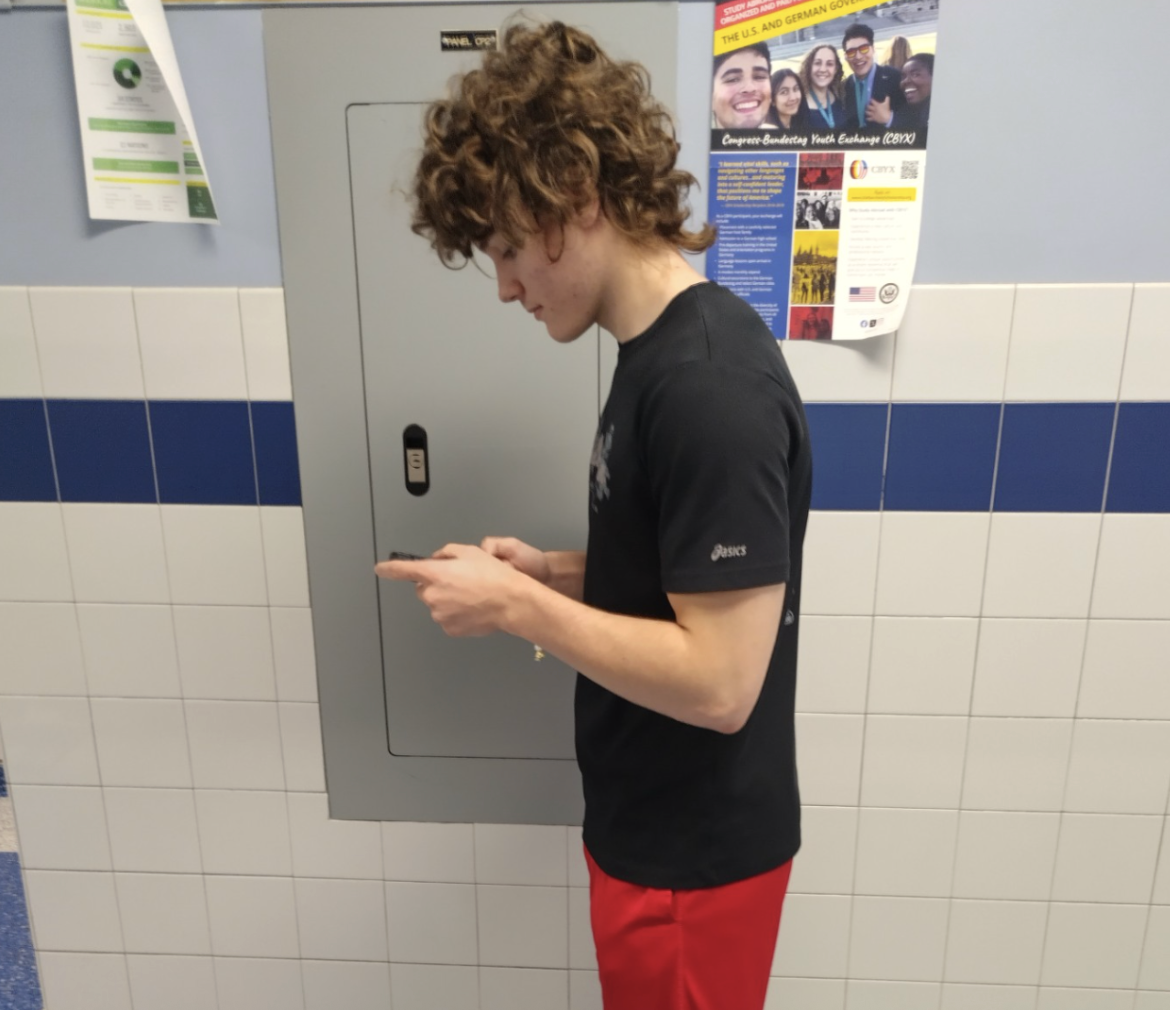
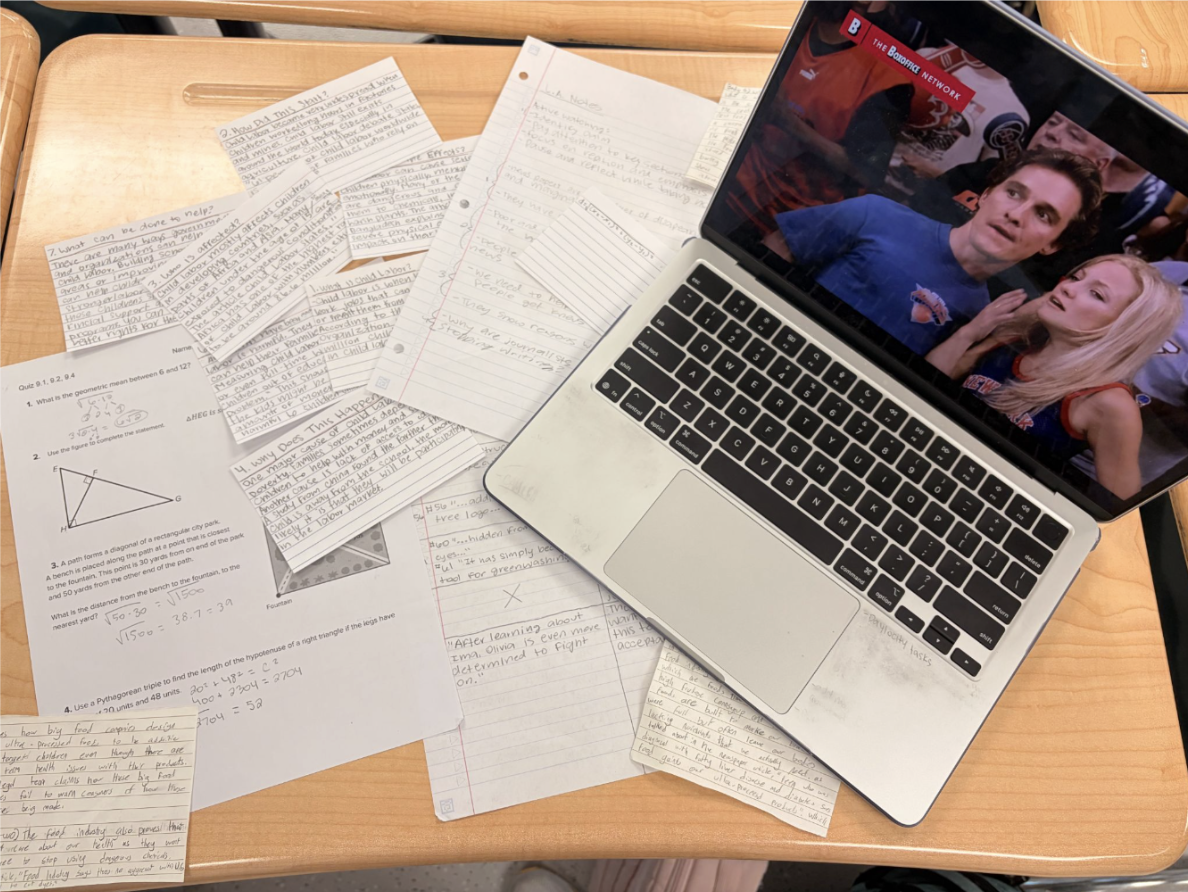
At the same time, there are many drawbacks to social media use for teenagers. Social media can contribute to distraction, making it difficult for students to focus on homework, studying or other activities and responsibilities.
Social media can also create social pressure. Sometimes teens feel the need to compare themselves to unrealistic images, posts and lifestyles shared by their peers or influencers. This pressure can affect students into the classroom, diminishing their confidence and focus during the school day.
In some cases, excessive use can lead to addictive behaviors, with students spending hours scrolling and texting at the expense of sleep, physical activity and school work. According to the American Psychological Association, technology gets in the way of all things that are important for teens’ development, which means it can disrupt healthy habits and routines.
“Social media probably has mainly negative effects just because I’m thinking about scrolling in all my classes, if I’m not just scrolling outright,” Elias Spaw (11) said.
As social media gets more advanced and continues to play a major role in students’ lives, many teenagers may struggle to find a balance between staying connected and the drawbacks of having constant access to social media.
To combat this, students should be aware of how much time they are spending online and recognize when it is getting in the way of their daily life, like well-being and school performance.