The final bell may ring at the end of the day, but for many students, the learning does not end there. Whether on the field, court, or track, there are always problems to solve, universal truths to learn and concepts the classroom can’t teach. For athletes, every game is a lesson and every mistake made in the game is a lesson learned. Additionally, every practice is preparation for life outside athletics.
Through competition, athletes learn resilience after failure, discipline through daily habits, and confidence under pressure. Coaches often emphasize to athletes that ‘pressure makes diamonds.’
Being part of a team teaches you how to lead and how to follow. Understanding the balance is crucial. Losing teaches individuals how not to give up and to reflect. Furthermore, winning teaches that hard work can pay off and the importance of staying humble.
“Pressure makes me look at failure from a different perspective because failure means you can work on something. I handle pressure better, and I learn to be calm under pressure situations,” Soccer player and wrestler Lorelai Manning (11) said.
One of the key learning points athletes take away from sports is resilience. To be successful, student-athletes must be resilient. This is true because the mental adversity high-school athletes face is significant. Especially as these athletes get older, there are many stress factors, such as recruiting or poor performances.
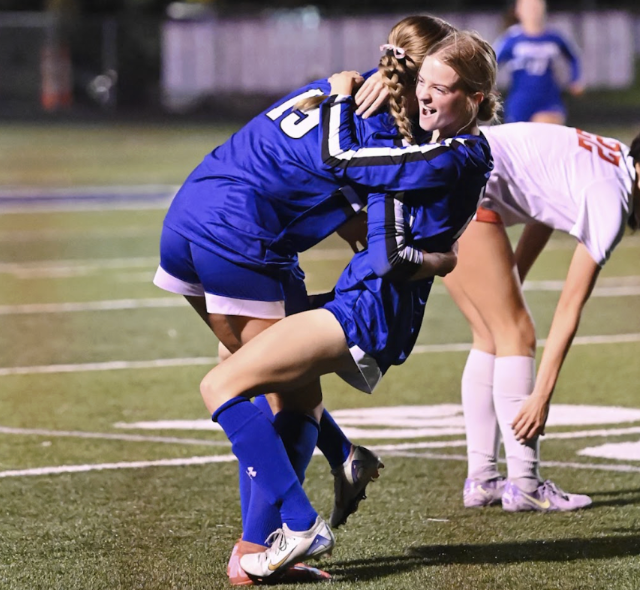
“The endless conditioning for soccer, it’s pretty rough, but you just have to say this is going to help me get better,” Manning (11) said. “Also, when you’re faced with a challenging thing, like I don’t know if I’m going to do this or not or if I’m going to make it, you just have to believe.”
Another important factor is how practices and games prepare individuals for different challenges outside of sport, such as preparing for jobs or work.
“Games help with learning how to work with a team and relationship skills,” Knox Duke (10) said.
Additionally, what you do after failure or a mistake is something sports teach that can not be taught in the classroom.
“People think just because you get a bad grade or something, you don’t always pass and you fail. But in sports, when you fail, it is just an opening to learn more things,” Manning (11) said. “ A failure in sports doesn’t always mean that you’re bad, you’re just getting better.”