
Scheduling for the upcoming school year can be scary and unpredictable, but it is important for structuring learning and preparing for college. Choosing classes should mean more than just taking fun courses; it allows students to explore things that may interest them in the future.
Throughout the week, there will be meetings in the PAC to discuss the process for securing schedules and creating the best plan for you based on your interests, recommendations and graduation requirements. The counselors will meet with students later in the week to discuss plans for next year and any questions.
“My role in the process is to help provide the information needed to parents and students about scheduling, and then to meet with students to discuss their choices. I then provide a print-out of classes selected, and students take it home to get signed by a parent. They will then return it to their physics teacher [9th grade], or social studies teacher [10th-11th grades],” counselor Laura Schnitzler said.
As students start thinking about their future and possible college plans, the classes they take can play an important role. When exploring all of the different options, it is important to do research on schools that would be interested in the courses. If students are planning to study a specific degree, it is crucial to take classes that will make the college process easier.
Students can choose between on-level courses, Advanced Placement (AP) courses, which are considered college-level classes, and dual-credit courses, which are college classes students are able to enroll in as high schoolers. AP classes are extremely helpful in preparing for college. AP classes provide the opportunity to collect college credits after taking an end-of-year AP exam. The grade scales from 1-5; to pass, it is required to have 3 or more to receive credit.
When thinking about taking advanced or AP classes, students should take into consideration the workload differences. AP classes move at a faster pace and assign more challenging work, while regular classes are on pace with grade levels.
If students have not taken an AP class before, it is recommended not to jump into multiple at once. One to two AP classes are beneficial for students to get an introduction to future courses.
“I would say to talk with teachers ahead of time to get an idea of different classes then come to the one-on-ones prepared with what you will want to take next year,” counselor Rachel Stephenson said.
The credits you are required to take depend on your grade level. Freshmen are required to take math, English, and science, while seniors are required to take social studies, math, and English. Sophomores and juniors are required to take social studies, math, English, and science. With the space left over, students are able to choose 2-3 electives.
“Graduation requirements always trump over electives. We make sure the classes that are a must get taken care of first. Then we work through the electives with the students,” counselor Ann Listerman said.
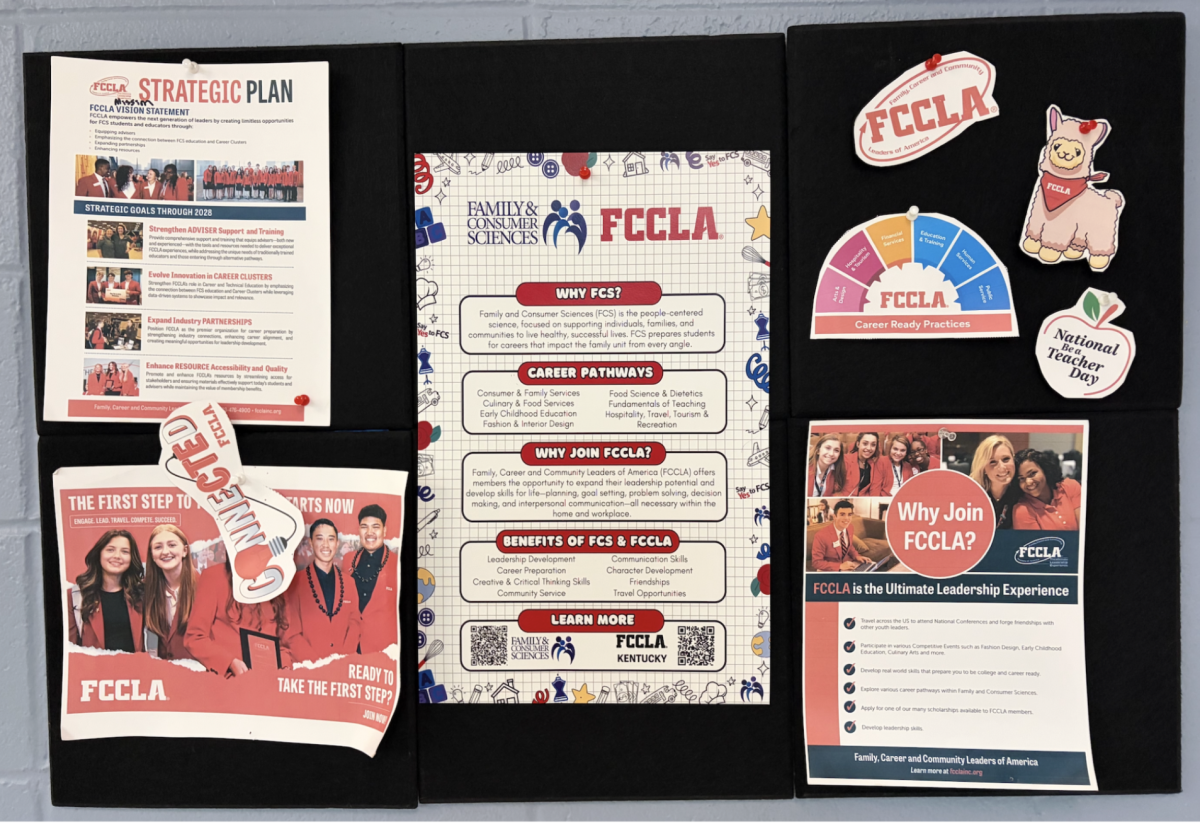
There are lots of different elective classes to choose from; they range from advanced sciences, business pathways and visual arts to courses in health professions, engineering, mass communication and consumer sciences. Students have the opportunity to explore their interests, develop new skills and prepare for college and career paths.
Counselors stress that scheduling decisions should be personal and in line with your goals and future.
“Choose what is best for you and not just what your friends are doing,” counselor Erica Thomas said.
Overall, it is important to take scheduling seriously and think about all of the different components, how it will affect the next school year and the bigger future ahead.