
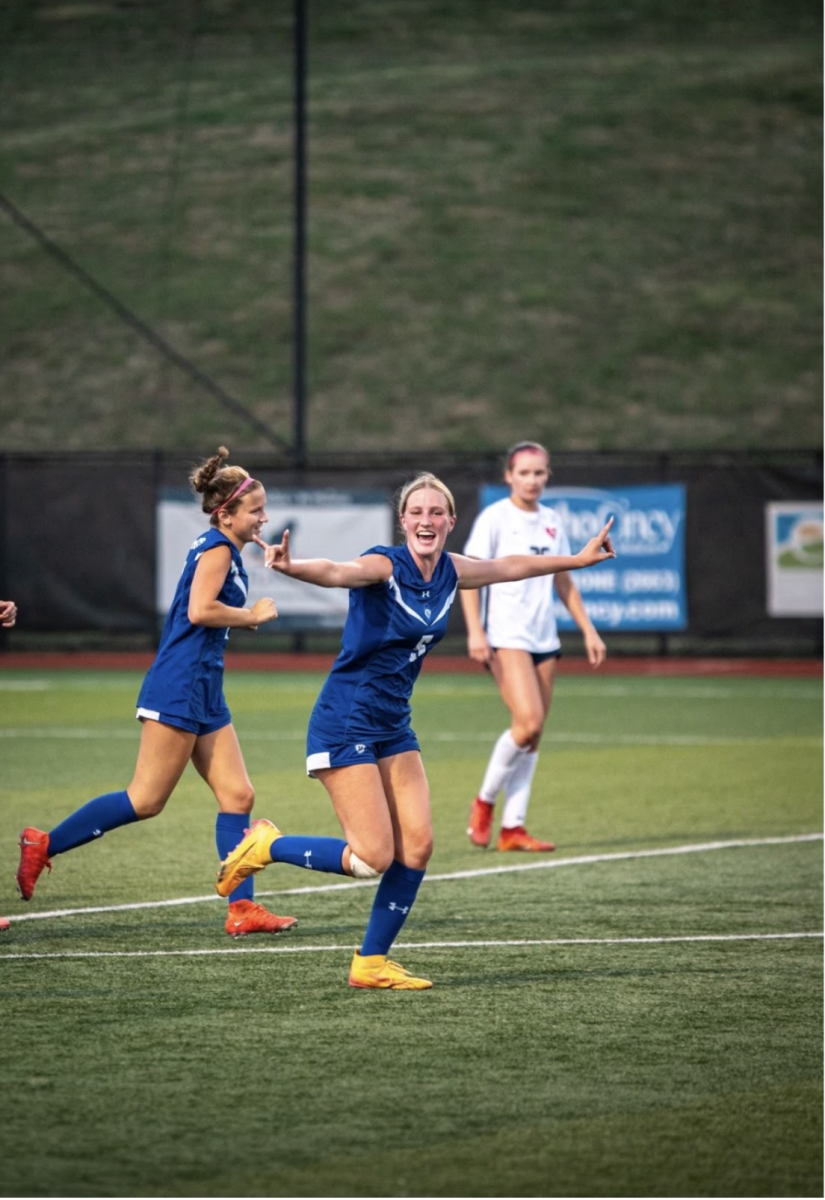
By the time student athletes get home, they are exhausted. They might feel as if they are expected to go, with hardly ever taking a break. From late games to early practices, students are short of sleep, lacking focus in school, and might feel as if their hard work is overlooked. This can cause students to be crippling under pressure and take a toll on student athletes’ mental health.
Mental health is a struggle among all students, especially athletes. Between the growing pressure and wanting to succeed, athletes are cut short of rest and recovery due to athletics and academics. It’s time to break the silence and raise awareness for the struggles and mental conflicts behind a student-athlete’s perspective.
“Confidence becomes a mind game. If you lose it, you feel like you can’t play the sport you have played your whole life.” Hinegardner said.
Confidence is one of the main aspects of being an athlete and being a good academic student. To get anywhere in life, an athlete must have confidence in themselves., Some athletes may feel as if their confidence is crippling with the pressure of academics on top of a sports life. Soccer player and captain, Natalie Hinegardner (12), knows how important having confidence can be.
Balancing academics and athletics can be stressful, athletes may feel as if they are held to a higher expectation to keep up with everything. Students feel burnt out and exhausted as they continue to struggle with things behind the scenes.
“It’s kind of expected to have it all together,-get all your work done and still balance a high-level sport,” Alexis Steinhauser (10) said.
For athletes, the fear of injury can add even more mental pressure on top of academics. Injury can really take a toll on one’s mental health, as much as a sport might be stressful to people, to others, it could be an escape.
“I had no idea I was gonna tear my ACL last year…it’s more hard on your mental health to get injured rather than have a fear of injury,” Hinegardner said.
As students get through the long school days and keep up with their work, they may feel a sense of drain due to late nights of practice or games, & little to no rest. Volleyball player Josie Messmer knows how hard and draining it can be to have such little rest.
“It makes it harder to focus and can affect my grades…I have no motivation or energy.” Messmer said.
Even with all of these challenges, having a strong support system, like friends, family, and teammates, can help so much
“I think they have helped me throughout my recovery process more than anyone just because I know that I can turn to someone without being judged, and I don’t have to worry about maintaining a certain expectation with them,” Hinegardner said.
Students may feel as if they are expected to “tough it out” in situations where they might feel as if they need to talk to someone but don’t have that support system to talk too. Volleyball player Steinhauser thinks that athletes should be able to be honest about their struggles.
“You should never have to just put everything to the side, if you need help you need help. You should feel seen and be able to talk to the people around you,” Steinhauser said.
There are many agencies to connect students and families to use as resources.
Cincinnati Children’s provides a resource called PERC, a starting place for mental health support.
The Children’s home of Northern Kentucky (CHNK) when you click a referral on the website you can make a free consultation.