
NOTE: Each quarter, the members of the eighth grade yearbook class will write an article for the Hilltopper Online.
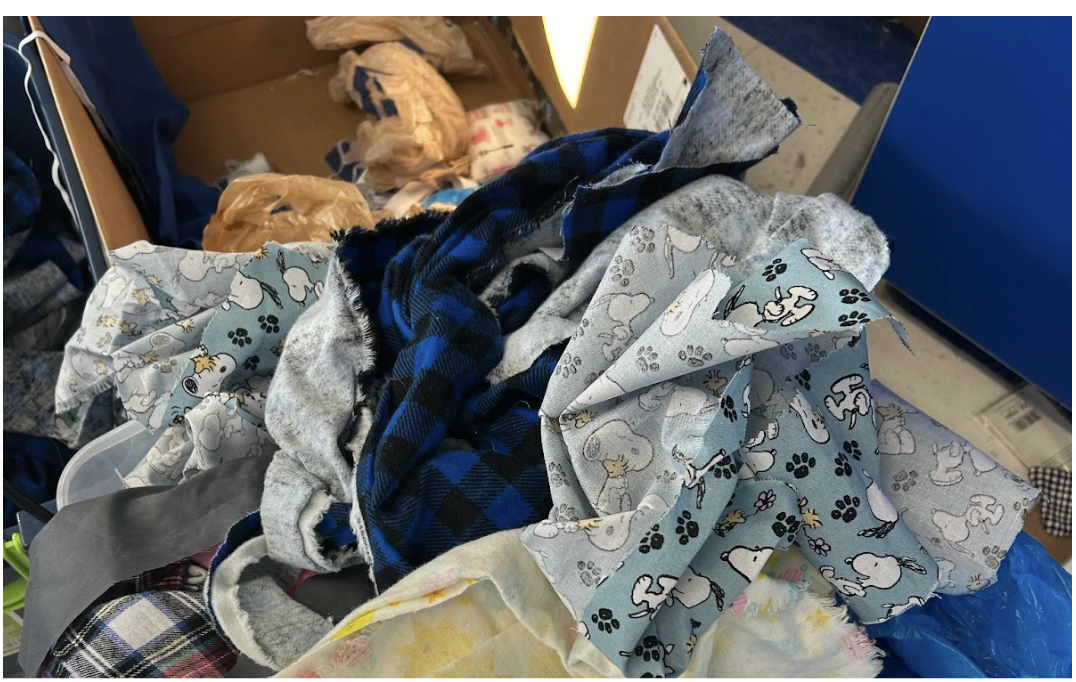
The smell of rot and spoiled food fill the air. With every gust of wind a plastic bags can be seen drifting through the wind. Mounds of clothes sitting on top of the waste and debris. These clothes have been unworn for years. Each piece shows a different era of style. From the 2000s to now, these clothes have accumulated unable to decompose the plastics they are made of.
Landfills around the world are full of scraps of fabric and bags from fast fashion brands. A popular fast fashion brand that causes waste, goes against child labor laws and underpays workers is Shein. The clothes a person buys from a fast fashion brand like Shein won’t fully finish decomposing till their dead. The clothes are made mostly if not fully of polyester, which is micro plastics and these take centuries to break down.
When watching the workers making clothes, rather than adults many children and young adults are seen employed working the dangerous machinery. Many would question whether it’s a school field trip, but it’s not. These are their full time jobs. Shein is cutting corners and laws, trying to conceal their problems by remaining opaque.
Fast fashion has been growing in popularity for years, as shown in an article by Uniform Market.
“Fast fashion is now a $150.82 billion industry, it has grown by 10.74% from 2024.”
Most who order from these websites do not realize how fast fashion affects the world or do not want to believe it. While there are many negatives from ordering Shein such as poor quality fabrics, ill fitting clothes, and encouraging their law breaking behaviors. There are also many issues this company tries to hide, like not sharing the details of their supply chain and how ethical they are.
The effects Shein has had does not just end there.
According to an investigation by the Swiss human rights advocacy group Public Eye, “Working Hours: Reports from 2024 continue to highlight 75-hour work weeks (12-hour days, 6–7 days a week) for many employees at supplier facilities, defying company code of conduct limits of 60 hours.” Working hours and employees schedules are among the things Shein does not want customers to find out.
“Shein uses very cheap labor and low quality fabrics. Which leads to sizing issues and contributes to the waste of fashion,” Fashion teacher Ahren Wagner said.
Some students and teachers at Highlands Middle school are beginning to learn of the effects fast fashion has on the environment.
“Waste of fabrics … So they can cut, like a template out of a piece of fabric and what do you do with all of those scraps?” Social Studies teacher Ella Workman said.
As consumers become more aware of the effects fast fashion has on the world, less and less people have been shopping there,
According to an article by Retail Dive. “Fast-fashion retailers could face revenue declines of 10% to 30% over the next five to 10 years.”
There are many companies that have similar items to fast fashion brands that are better quality and care about employees as well as the world. Such as Patagonia and EVERLANE although these brands are not as popular they rightfully pay their employees and are passionate about their clothes’ effects on the environment.
While shopping from Shein seems like a good cheap option to expensive designer brands, they contribute to pollution and poorly treat their workers. Another good alternative to shopping from fast fashion stores is thrifting. Thrifting decreases what ends up in land fills, giving clothes a second life and is cheap which is great for a middle schoolers budget and income.